
Another month, another holiday! This time beyond Pilbara - in the Kimberley. Broome is a quick 6-hour drive from Hedland along one of WA's easy-drive roads and is another gem of a destination. A perfect place for a relaxing beach holiday with a few quirky points of interest and more than enough outstanding natural beauty and wildlife. The only big fly in the ointment for us was the absence of Clare and Roy who had to stay behind in NZ as Roy was very unwell.


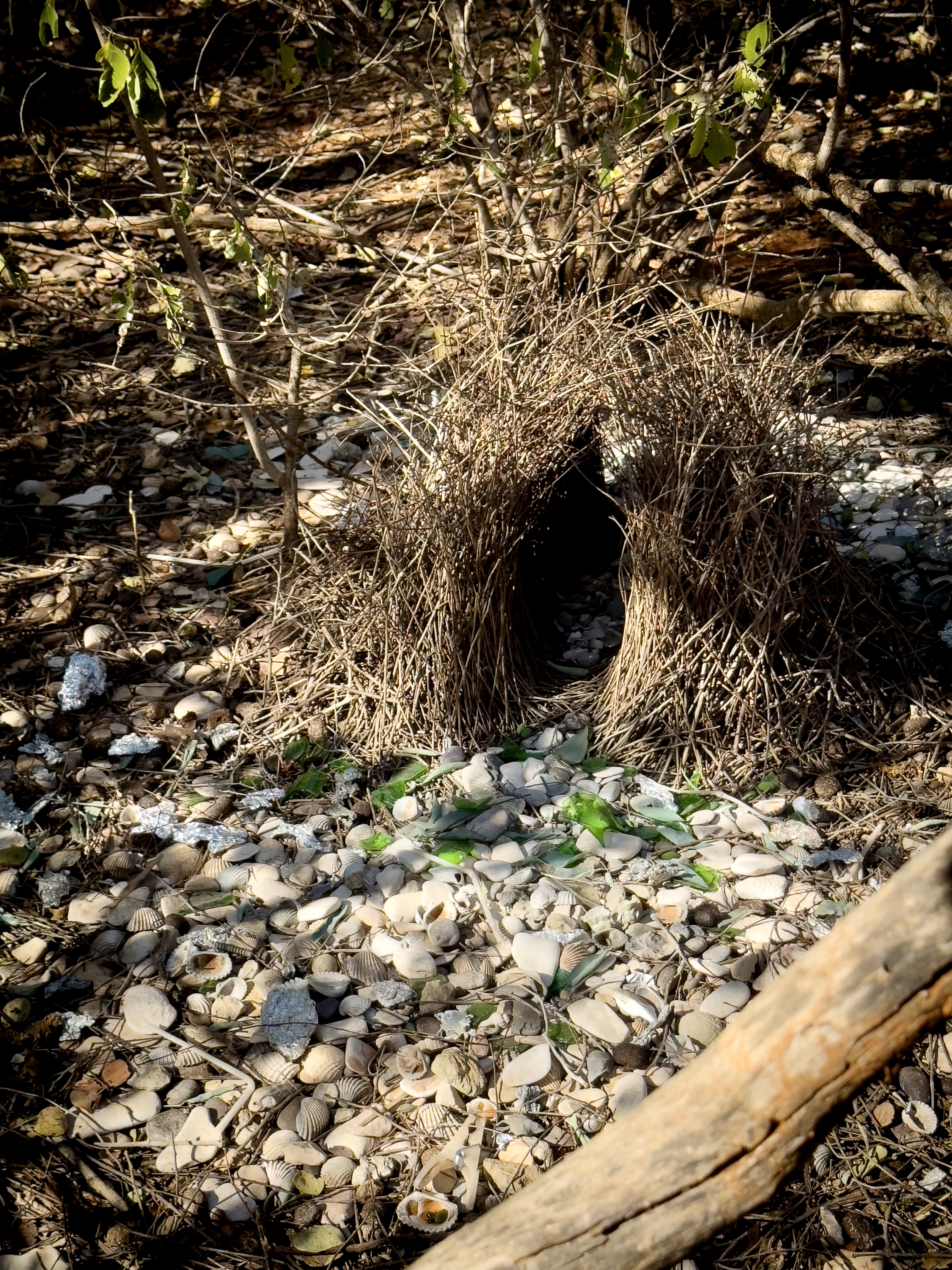
We camped in the rooftop tent for the first couple of nights, which was comfortable and cool enough, but also very attractive to bitey insects of the kind that bite without you feeling it. Only the next day do you realise what a banquet you've provided. We took a bumpy drive down the dirt road to the Broome Bird Observatory in Roebuck Bay, an exquisite site with an abundance of habitats - mudflats, ocean, mangroves, floodplains, saltmarsh, savanna, desert scrub and pindan woodlands that host the 336 recorded bird species (a third of Australia's total). It's one of the world's most important sites for migratory shorebirds. One of the highlights was watching a male Bowerbird doing his wooing dance performance for a female. The nest he'd created was decorated characteristically with colourful pebbles and sea glass.


When Broome's Sun Pictures opened in 1916, silent movies were accompanied by a live pianist. Previously the building had been an Asian Emporium and Japanese Playhouse. It's an iconic building that has survived to become the world's oldest operating Picture Gardens and remains a central place for entertainment to this day. Seating is a mix of cane and deckchairs, and cushions and blankets are provided for your comfort.


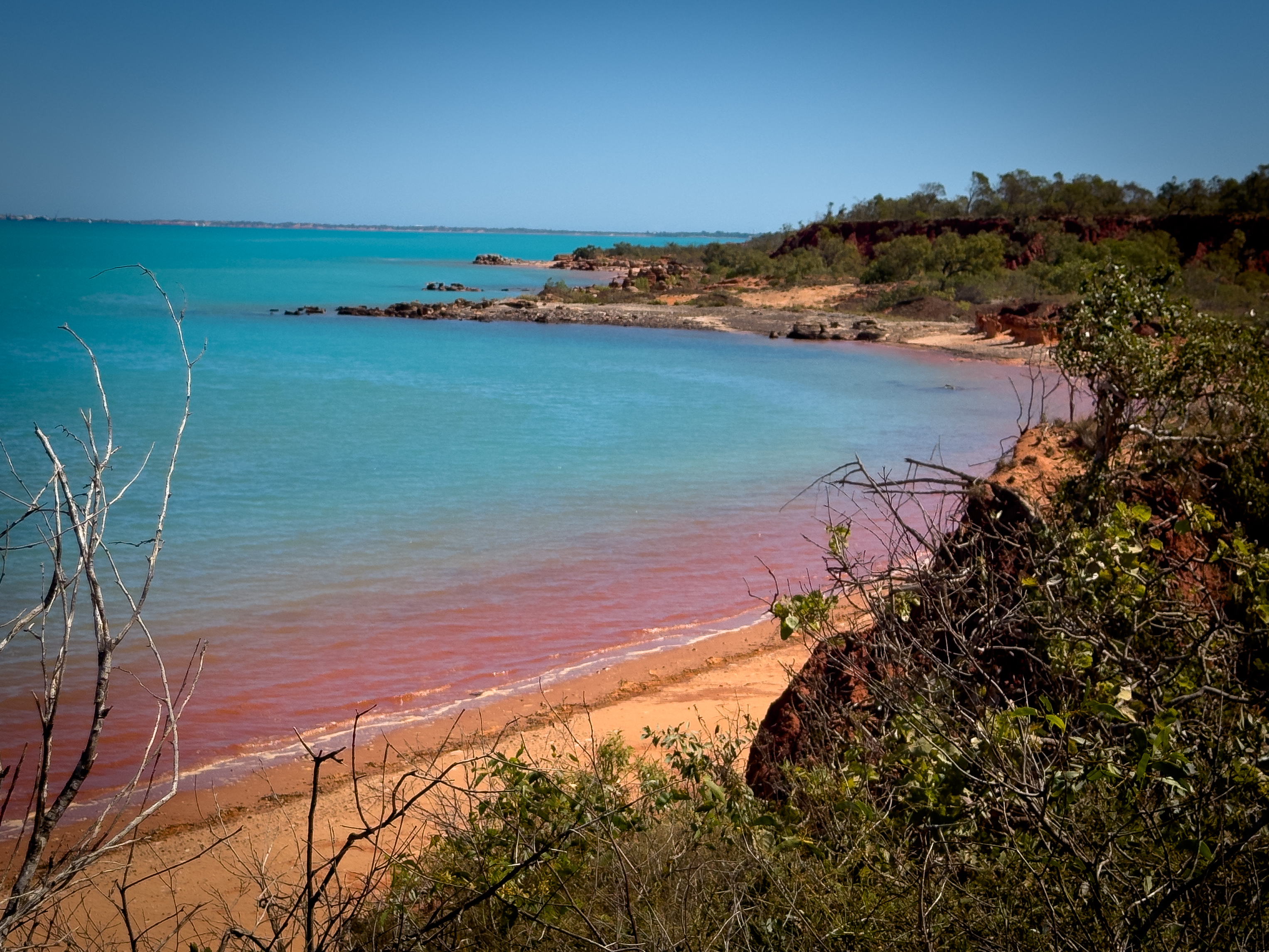
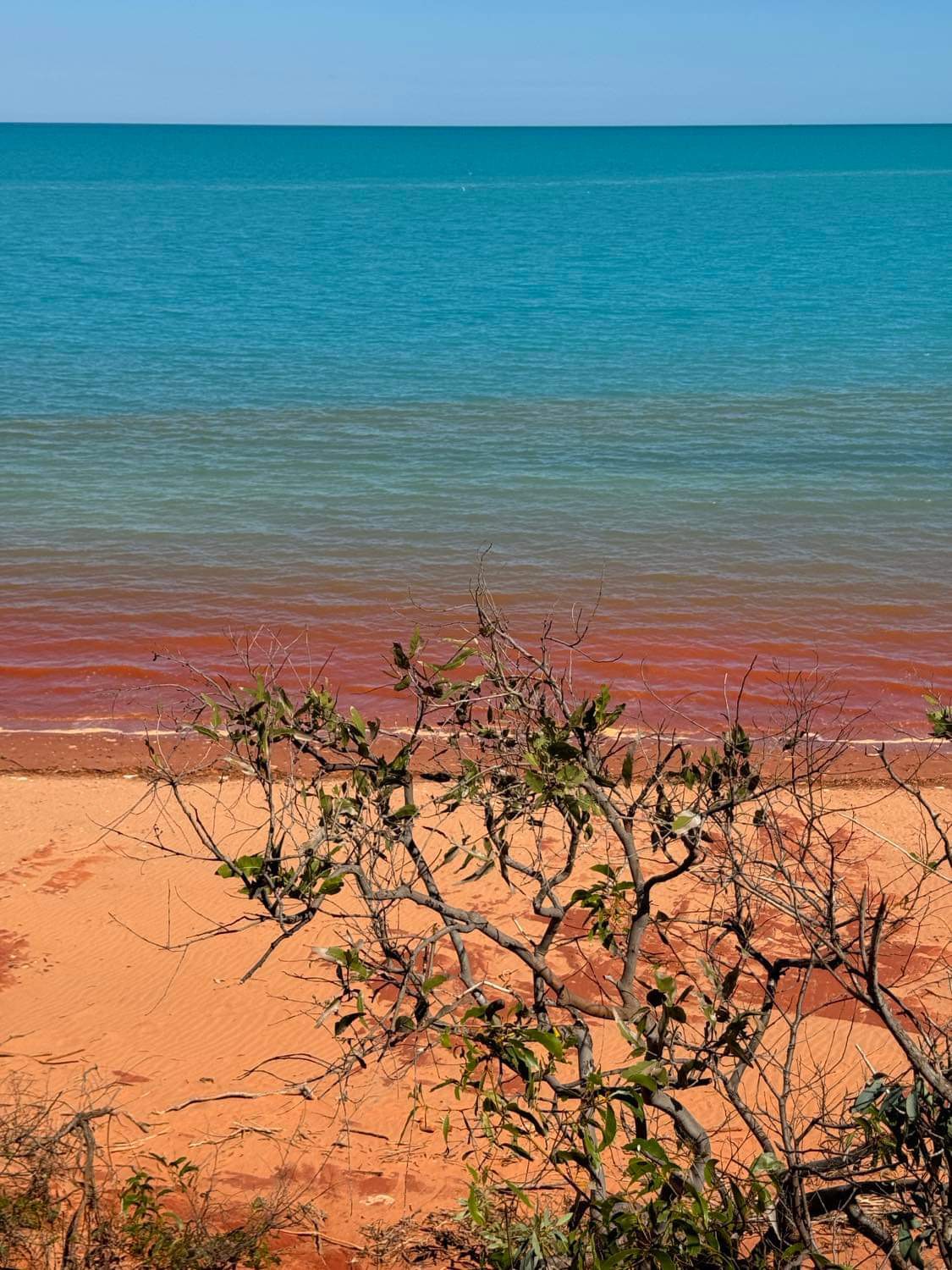
We took a few walks in the serene Minyirr Park behind Cable Beach, a place of great cultural significance to Yawaru people. There was some much-appreciated tree shelter in places, and several information boards about the vegetation - many plants here are food sources. The main trail runs through pockets of monsoonal vine thickets along the pindan (red soil) country and sand dunes. There are several intersecting paths that reach the sea. Red sands, white sandy beaches with a backdrop of turquoise crystal waters. Not too shabby at all!


We'd been really looking forward to seeing the Horizontal Falls in the Buccaneer Archipelago and it certainly didn't disappoint. Described by Attenborough as 'one of the greatest natural wonders of the world', the fast-moving tidal current squeezes through two narrow gorges, pushing the water into rapid-like formations which rush through the twin gaps, producing waterfalls turned on their side. Spring tides in the Kimberley can reach more than 10 metres, and the direction of the flow reverses depending on the tide. It's not accessible by vehicle so our only option was to take a tour - flying out and over the falls in a seaplane and then a speed boat ride around and through the widest of those twin falls. The seaplane ride was amazing - so smooth and with incredible views. We disembarked onto a pontoon to be fed and wait for the best tidal time to head out on the boat. Swimming was not advised because of sharks and crocs, but instead I got into a shark cage to get up close and personal with 'friendly' Tawny Nurse Sharks. These carpet sharks were gentle and entertaining, and I had to stop myself from reaching in to give them a pat. Who's next for a shark cage experience?


The speed boat ride was exhilarating, and the pilot talked about the many interesting cultural and geological features. The Dambimangari Traditional Owners know the falls as 'Garaanngaddim'. They represent one aspect of the manifest power of their sea country - the Wunggurr creator snake - of great cultural significance for them. What a privilege for us to witness the colourful and fascinating rock formations and ocean currents. Mesmerising views of the power of nature at every turn.


The flight to the falls was mostly overland, but the return flight went right over the archipelago and down the coast. Just wow. Alas no aerial views of crocodiles or whales on our watch but can't argue with the wall-to-wall jaw-dropping unspoilt scenery. A real once-in-a-lifetime experience.


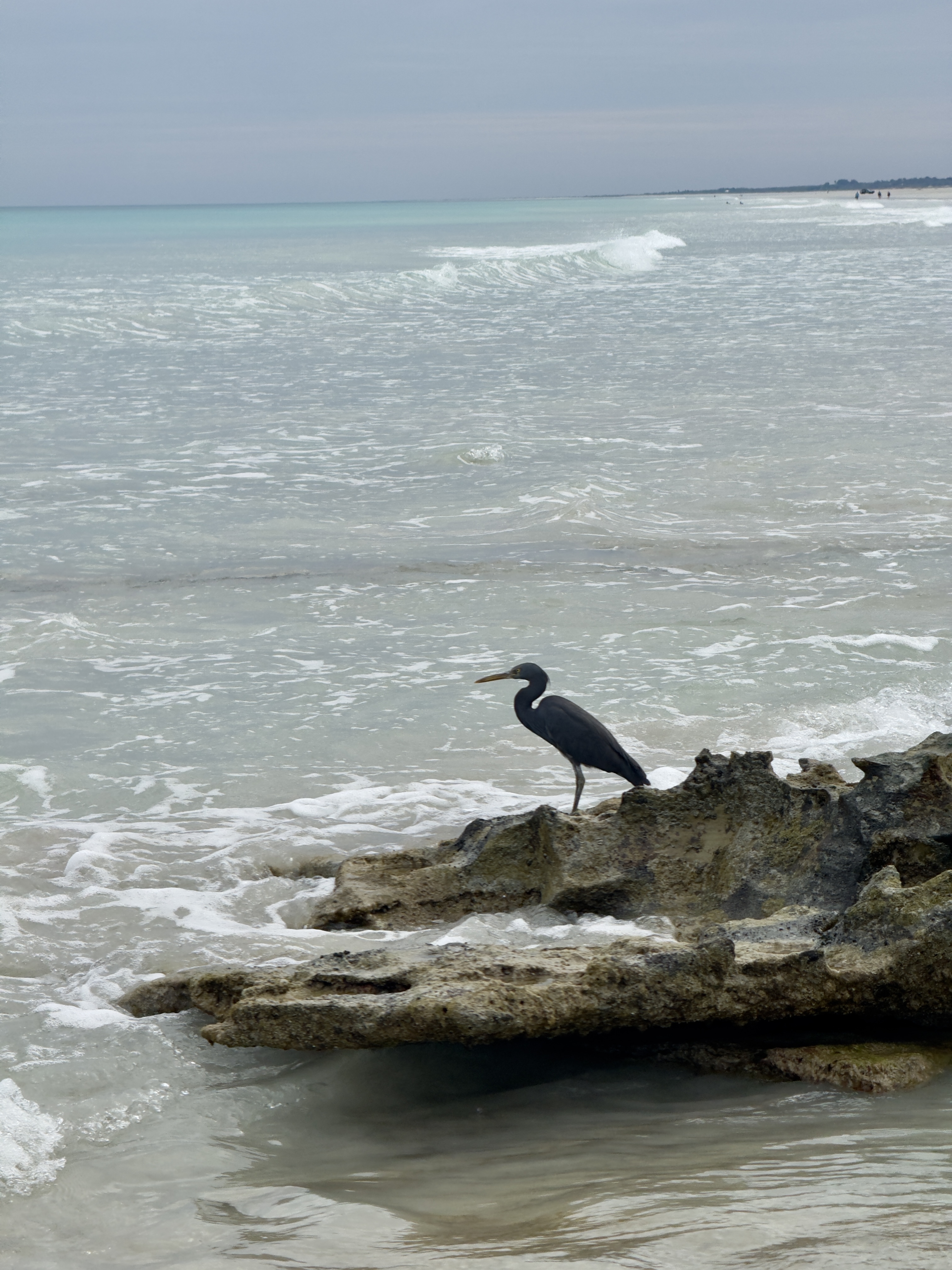
Cable Beach is famous around the world for its iconic camel rides and for the beauty of its 22kms of sparkly white sand (3rd best in the world according to TripAdvisor's Travellers' Choice Awards in 2023). The tide goes out for miles so there's plenty of sandy space for everyone to enjoy, and of course the weather is nearly always good, give or take the odd cyclone / extreme weather event. Though we were there in mid-winter, the thermometer didn't drop below 30 degrees in the day. Coastguards monitor a section of the beach for crocs and sharks, so it's relatively safe to swim. Real picture-postcard stuff except for under the water - hardly any sea creatures to see when snorkelling, which was only an issue because I'd been totally spoilt in Exmouth. Peter enjoyed many bird-watching opportunities. New to his list were Great Cormorants, Brolgas (cranes), White-bellied Sea Eagles and more Western Bowerbirds. He also spotted Pelicans, Pacific Reef Herons, Brahminy Kites, Brown Goshawks and Australasian Darters and Pied Cormorants.


Boab trees are everywhere in Broome and around the Kimberley. I first fell in love with Baobab trees in the Gambia when I was there on placement as a student nurse more than 30 years ago. Until recently, there used to be a belief that Australian Boab trees are a Gondwanan remnant, hanging in here since the breakup of the supercontinent into Africa, Madagascar and Australia some 120 million years ago. Other theories include ocean drift of seedpods and transfer by human migration, but essentially their presence remains an enigma. Aboriginal people believe that the boab has always been in Australia and that its migration direction was to, not from, Africa. Whatever its origin, it was very much like meeting dear old friends again.


Hanging around Broome was relaxing, plenty to see and do or just chill. There are several notable memorials to Broome events, including the ANZAC commemorative artwork of people looking out to sea. In 1942, several boats bobbing in the waters of Roebuck Bay waiting to be re-fuelled and mostly carrying Dutch civilian refugees, were bombed. The resulting carnage was one of the costliest air attacks over northern Australia during WW2. The rich pearling history is remembered too, including this memorial to the indigenous female pearl divers who often dived throughout their pregnancies.


Reddell Beach, all rugged and raw, was another idyllic location. Just down the coast from Gantheaume Point, red rock carved surface-of-the-moon-like by the sea and framed by the blue sea backdrop. And it was nearly deserted when we were there - a happy bonus.


A really cool way to see the Broome coast is by Air Boat. Similar to a hovercraft, it whizzes over very shallow and rocky beaches with ease. The pilot was happy to demonstrate his donut skills and it was great to see the land and seascapes from this viewpoint. We also went up Dampier Creek - prime crocodile territory apparently, but no one at home at the time. There's no other way of getting there as the mud is so sticky and deep. At high tide, the creek connects to Streeter's Jetty in Chinatown via a channel cut through the mangroves. The jetty was originally built for pearl dealers and merchants in 1897 and has been recently restored.


Dinosaur footprints around Broome are recognised as the most significant in the world, with trackways extending 80kms from the south of Broome along the Dampier coast. They have long been known to the First Nations people of the Dampier Peninsula and are integral to a 'song cycle' tracing the journey of a Dreamtime creator being known as Marala or Emu Man. The prints from at least 20 different kinds of dinosaurs were created around 120 million years ago in the early cretaceous period. Many are only visible at the lowest of tides, which only happen sporadically through the year. We splashed out on a cocktail and tapas dinosaur footprint boat tour that took us to some footprints that are higher so more accessible. Peter is standing in one of several brachiosaur prints. Some of these animals would have been around 35m in total length. And yes, he's probably heard all the dinosaur jokes thank you. The whole tour was interesting, respectful, fun and very well catered.


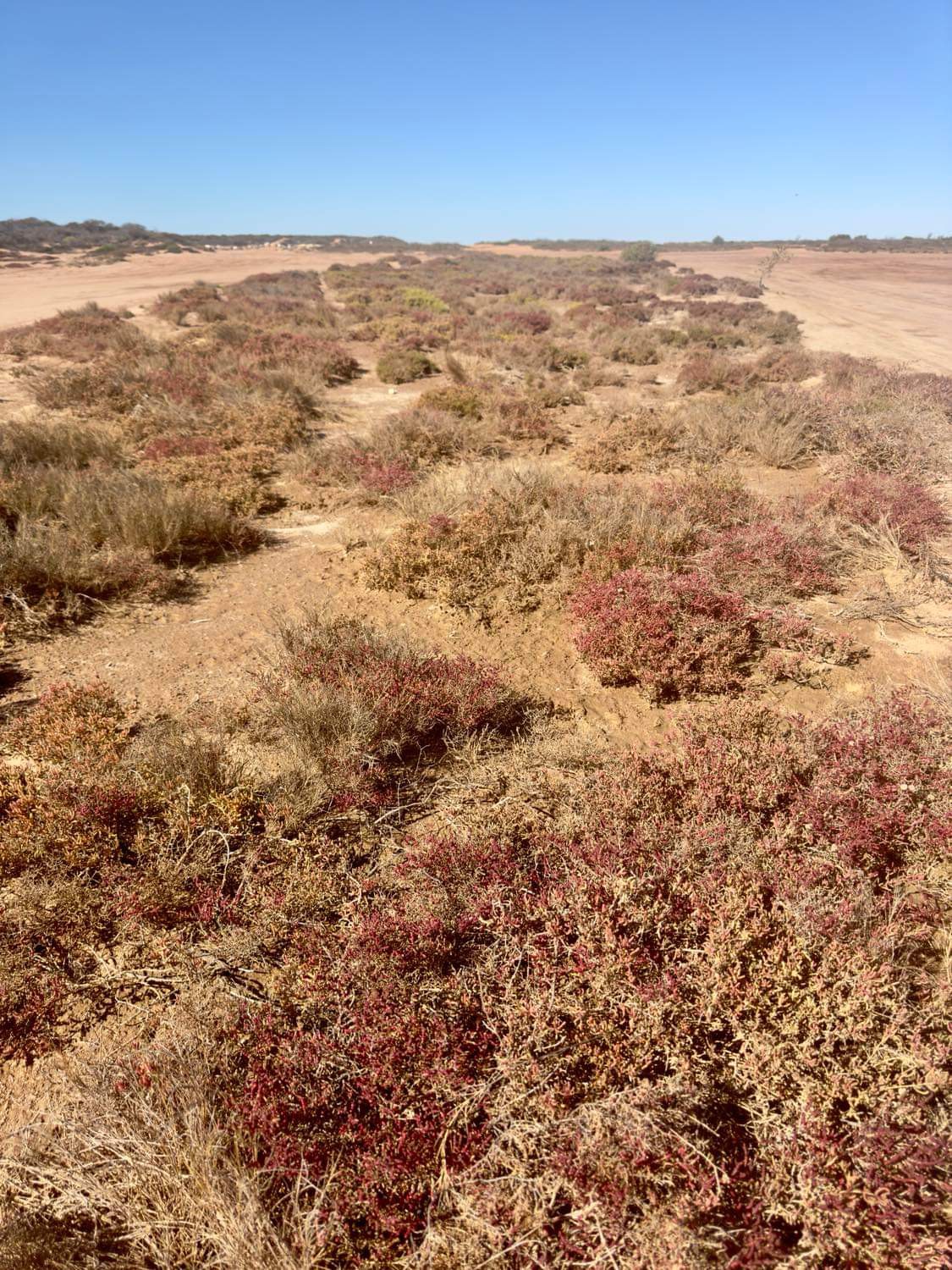
Back to home and work now, and still walking locally most days. Peter has an octopus tentacle around his finger in the photo - we were having another high-scoring game of Octopus Soccer and he was determined to prove his sighting that I was too far away to see. The octopus grabbed him and wouldn't let go, and eventually shed its tentacle rather than let go. The birds are Rainbow Bee-Eaters that we often see on our beach walks. The famous WA wildflower display doesn't really hit Hedland, but there are a few flowers popping up and a bit of brighter colour in the plant life generally. One day I'd love to see the flower carpets that look so glorious in the south and inland WA.
We're getting our heads around Peter's imminent return to NZ. We did have another few days of slightly winter, i.e. temperatures in the late 20s, but we're already not far off mid-30s again with some humidity. Peter will have to seriously rug up when he gets home. He's been busy packing and cleaning the apartment before he leaves. Billy and Karyn have job lists for him when he returns, so he'll be back to the grindstone (cue violins). I'll continue alone with my own work grindstone for now and brace myself for the heat ahead.


